.png)

.png)
UK Heatwave Alert: How to Keep Your Aquarium Cool During Hot Weather

As the UK experiences another spell of unusually warm weather, many aquarium owners are beginning to notice one of the biggest seasonal challenges in fishkeeping: rising water temperatures.
While we might enjoy the sunshine, excessive heat can place significant stress on aquarium fish, plants, and beneficial bacteria. In some cases, prolonged high temperatures can lead to oxygen depletion, disease outbreaks, and even livestock losses.
Whether you're caring for a tropical community aquarium, a marine reef system, or a coldwater setup, taking proactive steps to manage temperature is essential during hot weather.
Why High Temperatures Are Dangerous
Most aquarium species thrive within a specific temperature range. When water temperatures rise above these levels, several issues can occur:
Reduced dissolved oxygen levels
Increased fish stress
Faster metabolic rates
Increased waste production
Greater risk of bacterial infections
Accelerated algae growth
Reduced effectiveness of biological filtration
A temperature increase of just a few degrees may not seem significant, but for aquatic life it can have a substantial impact.
Signs Your Aquarium May Be Overheating
Keep an eye out for:
Fish gasping at the surface
Rapid gill movement
Lethargic behaviour
Fish gathering near filter outlets
Increased aggression
Coral stress or bleaching in marine systems
If you notice any of these symptoms during a hot spell, it's time to take action.
Easy DIY Ways to Cool Your Aquarium
Fortunately, there are several simple methods that can help reduce water temperature without major investment.
Open the Aquarium Lid
Removing or partially opening the aquarium lid allows heat to escape and improves evaporation cooling.
Always ensure fish species that are known jumpers are protected before leaving a tank uncovered.
Increase Surface Movement
Adding extra aeration helps maintain oxygen levels when water temperatures rise.
Consider:
Air stones
Additional circulation pumps
Redirecting filter outlets towards the surface
More surface agitation means better gas exchange and healthier fish.
Reduce Lighting Hours
Aquarium lighting generates heat, especially older fluorescent and metal halide systems.
During a heatwave:
Reduce photoperiods by a few hours
Turn lights off during the hottest part of the day
Use ambient room light where possible
Most fish and plants can tolerate a temporary reduction in lighting.
Keep Curtains Closed
Direct sunlight can rapidly increase aquarium temperatures.
Closing blinds or curtains during peak daylight hours can significantly reduce heat gain and help prevent algae blooms.
Use Frozen Water Bottles (With Caution)
One of the most popular emergency cooling methods involves floating sealed frozen water bottles in the aquarium.
Important tips:
Use clean bottles only
Ensure lids are tightly sealed
Rotate bottles gradually
Avoid sudden temperature drops
The goal is slow, controlled cooling rather than a rapid temperature change.
Cooling Fans: A Simple and Effective Solution
For many aquarists, aquarium cooling fans provide the best balance between cost and performance.
These units sit above the aquarium and increase evaporation across the water surface.
Benefits include:
Affordable cooling solution
Easy installation
Effective temperature reduction
Suitable for tropical and marine systems
Depending on room conditions, cooling fans can often lower aquarium temperatures by 2–4°C.
They are particularly popular among reef keepers and planted aquarium enthusiasts during the summer months.
When to Consider an Aquarium Chiller
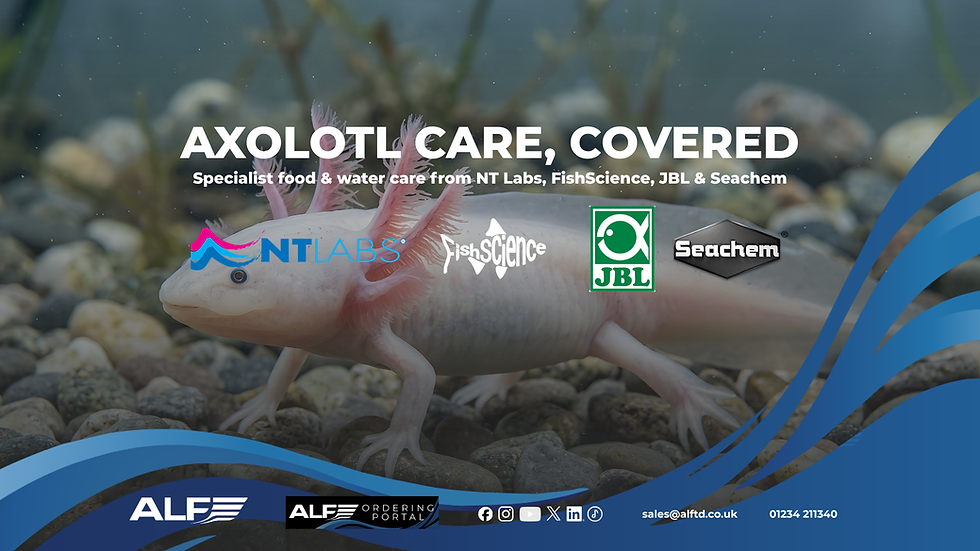
For larger aquariums, marine systems, axolotl setups, and temperature-sensitive species, a dedicated aquarium chiller may be the best long-term investment.
Unlike cooling fans, chillers actively regulate water temperature using refrigeration technology.
Advantages include:
Precise temperature control
Fully automated operation
Reliable performance during prolonged heatwaves
Ideal for sensitive livestock
While chillers require a greater upfront investment, they provide peace of mind and year-round stability for valuable aquatic collections.
Don't Forget Your Pond
Outdoor ponds can also suffer during periods of extreme heat.
Pond keepers should consider:
Increasing aeration
Running waterfalls continuously
Topping up evaporated water
Providing additional shade where possible
Monitoring oxygen levels carefully
Koi and pond fish often show signs of distress long before temperatures become dangerous, so regular observation is important.
Prevention Is Better Than Cure
The best approach to managing summer temperatures is preparation.
Before the next heatwave arrives:
Check your thermometer is accurate
Ensure filters are operating efficiently
Install additional aeration if required
Consider cooling fans or chillers
Monitor temperatures daily
By acting early, aquarists can avoid emergency situations and keep their fish healthy throughout the summer months.
Stay Cool This Summer
Warm weather doesn't have to spell disaster for your aquarium. With a combination of good husbandry, increased aeration, and appropriate cooling solutions, your fish can remain comfortable and healthy even during the hottest days of the year.
At ALF Aquatic Distributors, we supply a wide range of aquarium equipment designed to help retailers and fishkeepers maintain stable, healthy aquatic environments all year round. If you'd like to learn more about cooling fans, chillers, or summer aquarium care, contact our team today.